
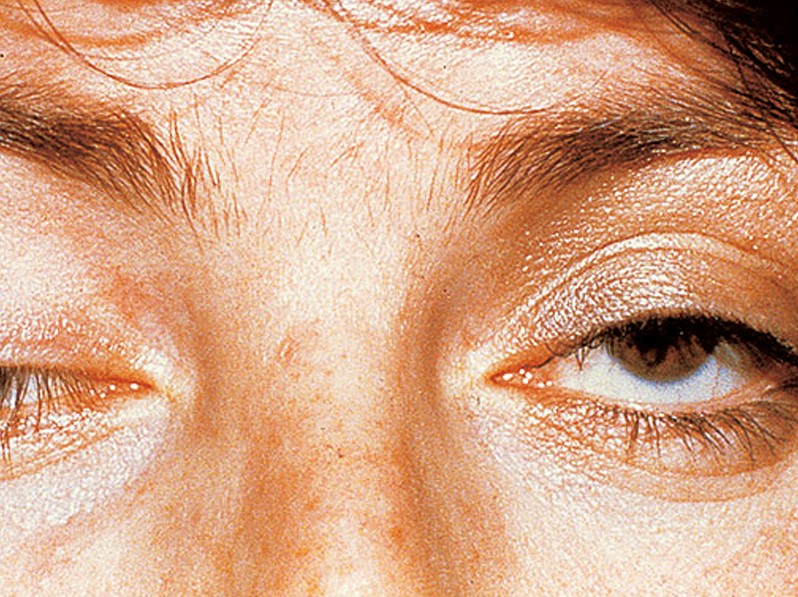
What is Myasthenia Gravis?
This is a degenerative neuromuscular disease which affects mostly your voluntary muscles and the nerves that control these muscles. These are the muscles that are controlled by the individual and are mainly the skeletal muscles that are used to create movement of some type such as walking, running, jumping, etc. When you translate the name of this disease it literally means muscle weakness. This is a common primary disease of neuromuscular transmission according to the Myasthenia Gravis Foundation of America. Out of every one hundred thousand people in the United States, this rare condition affects between fourteen and twenty people. Although this disease can affect any one of any age it is usually diagnosed in men older than sixty years of age and in women younger than forty years of age.
Myasthenia Gravis Symptoms
When a person has myasthenia gravis, the symptoms associated with this disease will generally improve when you rest but over time the symptoms will tend to progress. The weakness in your muscles can appear and disappear and may be worse at night, after having an infection, or in the summer time. After the onset of this disease, the symptoms will reach their worst after several years. This neuromuscular disease may affect any voluntary muscles but there are certain groups of voluntary muscles more than others that are affected.
Muscles in the eyes
More than fifty percent of the people who have this disease the first symptoms involve problems with the eyes including:
- Ptosis which is the drooping of both or one of your eyelids
- Diplopia which means double vision that could be vertical or horizontal
Throat and facial muscles
Approximately fifteen percent with this disease, the first symptoms involve problems with their throat and face muscles which could cause the following difficulties:
- Having altered speech which means it could sound nasal or soft, depending on which of the muscles are affected.
- Having difficult swallowing which means a person could choke easily making it hard to drink, take pills, or eat. Sometime if you are drinking liquids, they could come out of the nose. You may also gag or drool frequently.
- Having problems chewing which means that the muscles you are using to chew your food may give out part way through your mean. This is particularly true if you are eating something that is difficult to chew like steak.
- Having facial expressions that are limited pr paralysis of your face
Limb and neck muscles
Although this disease may cause weakness in the legs, neck, and arms, it will normally happen in concurrence with other muscles in various parts of the body becoming weak like the throat, eyes, or face. It will usually affect your arms more than it affects your legs. When you try to walk you may waddle if the legs are affected. It may be hard to hold the head straight if the neck muscles are weak.
Other symptoms may include:
- Having problems lifting objects, getting up from a seated position, or walking up the stairs.
- Having difficulty breathing because your chest wall muscles are weak.
- Fatigue and weakness without having any pain.
- Having trouble maintaining a gaze that is steady
- May have sensitivity to light
Causes
The exact cause is not certain but it is known that it is an autoimmune disorder and when you have this type of disease your antibodies that your body produces cannot tell between foreign cells that are harmful and their own body cells. As a result the antibodies will attack the acetyl-choline receptor, which is the junction between the muscle and nerve preventing the transmission of the impulses. This is what can lead to the weakness of your muscles. Some researchers think that it could be associated with tumors of your thymus gland, which is found in your immune system. Others think that it could be hereditary. They also think that certain bacterial or viral proteins are prompting your body to attack the acetyl-choline receptors.
Diagnosis
Muscle weakness that improves when you rest and has no pain associated with the muscle weakness are the key symptoms that points to the possibility of a person having myasthenia gravis but to make a final diagnosis there are tests that can be done such as:
Blood analysis
Having a blood test done could reveal the presence of these antibodies that are abnormal and could cause a disruption on the neuro receptor sites where your muscles get the signal to move from your nerve impulses, These abnormal antibodies are found in approximately eighty-five percent of the people with this disease.
Edrophonium test
The physician can inject you with the chemical edophonium, aka Tensilon to see if it results in sudden improvement in the strength of your muscle that is temporary. If this happens it could be a sign that the person may have this disease.
Repetitive nerve stimulation
The physicians will attaché electrodes to the skin over the muscles that they are testing. They will send tiny electrical impulses through these electrodes so they can measure the ability of the nerve to send to the muscle a signal to move. They will do this study many times to see if the ability to send the signals gets worse with fatigue.
Imaging scans such as an MRI or CT to se if there is any type of abnormality or tumor in your thymus gland.
Single fiber electromyography (EMG)—this test will measure the electrical activity that travels between your muscle and brain.
Other tests your physician may perform include:
- Checking reflexes
- Looking for any type of muscle weakness
- Checking your muscle tone
- Checking to make sure that your eyes are moving correctly
- See if you can do certain things like touching your finger to your nose.
Treatment
There is no cure for myasthenia gravis but there is treatment that will help to relieve the symptoms. Many times the treatment is started out on a trial and error basis because everyone who has this disease will respond to each treatment option differently. The first thing that most physicians will do is to re-establish the normal function of your neuromuscular transmission. To do this they will prescribe anticholinesterase medication which will target the abnormal antibodies that is attacking the acetyl-choline receptors and destroying them. For some cases that do not respond to this treatment the physician may prescribe steroid medications to help suppress your symptoms. Most people with myasthenia gravis have to be on medication for a long time because the severity of the symptoms is only suppressed if they are on medication. You should also avoid heat exposure and stress and make sure that you are scheduling periods of rest. If your vision is bothering you then you may have to wear an eye patch. In some patients if their thymus gland is the problem then they may need surgery to have it removed before they become cancer. Approximately ten to fifteen percent of those with this disease have a tumor in their thymus gland.
Prognosis
The prognosis varies from person to person. Some will only have mild symptoms and be able to live a fairly normal long life while others have severe symptoms and may become confined to a wheel chair. Having the correct treatment can limit the progression of myasthenia gravis in many people who have it. Long term remission is possible but there may be some activities that you do you may have to restrict.
Myasthenia Gravis Pictures
Photos, Images and Pictures collection of Myasthenia Gravis…


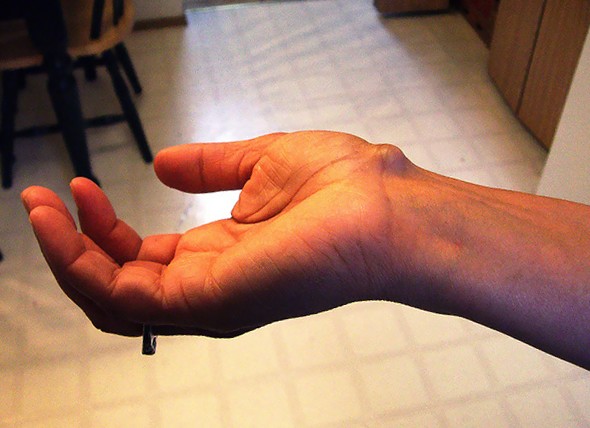
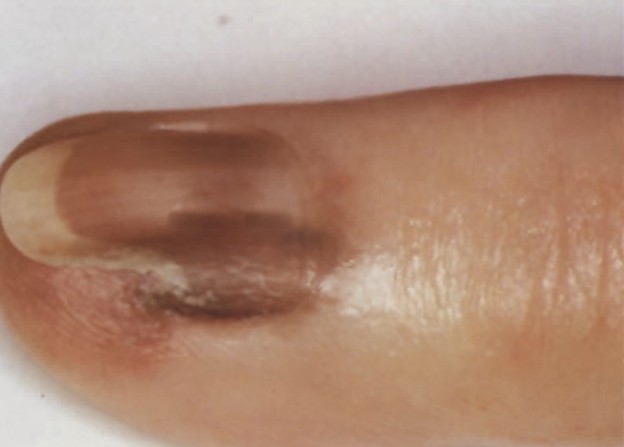




I am a 56-year-old female who has suffered about 12 or more years with Myasthenia gravis. I thank God that I am in good hands with doctors that really care about me, not just the title they carry. God Bless Everyone
How did you handle it and what age did you get it..
I see all ur informatiom about MG I am also patient of this Deases &effect of my eyes sight l am from pakistan please u help me against this problem
I am a female, diagnosed with Myasthenia Gravis at age 75+ yrs. old. I had all of the MG symptoms but explained them all away due to aging UNTIL my voice deteriorated to sounding like a severe cleft palette. I started with 3 different opthalmologists for the double vision, none finding any problem with my eyes. (Droopy eyelid thought to be eye surgery for glaucoma.) When my speech was not able to be understood after a couple sentences, I went to an ENT specialist. His diagnosis was a bulging palette, not a candidate for surgery. Thank God!! Finally my family doctor said I should be checked for a mini stroke. After 24/7 testing for 2 days, I was diagnosed with MG and I went into MG exacerbation!! (Stress, little if any sleep, etc.) I was referred to a neurologist which took 3 weeks to be seen. During that 3 weeks my husband researched everything he could find on MG. By the time I saw the neurologist, we knew more than he did!! I can not stress how important it is to find a neurologist who KNOWS MG!! I finally convinced the first neurologist to refer me to a neurology professor in San Antonio who recommended IVIG infusion to stabilize my MG. That was 5 days a month for 3 months which did stabilize my MG but the 1st neurologist would not continue the IVIG infusion treatment and I continued to relapse for 4 months until I found a neurologist who KNEW MG and did prescribe a 5 day IVIG infusion treatment the first month, then 1 day a month thereafter. After nearly 2 yrs. of that regimen, I am now able to tolerate going 6 weeks between a 1 day treatment and am able to live a near normal life for a 78 yr. old, with modifications of length of activity followed by REST time for my muscles to recover, then continue activities.